Tree roots are drawn to moisture, and an underground sewer pipe with any joint gap, crack, or seam is exactly the kind of moisture source roots will seek out and exploit over time. Once a root finds its way in, even a small one, it doesn't stop growing, and what starts as a minor obstruction gradually becomes a significant blockage as the root mass expands inside the pipe.
Folsom's older neighborhoods, particularly around the Historic District, have mature, established trees that have had decades to develop extensive root systems. Those neighborhoods are also more likely to have original clay sewer pipe, a material with more joints and seams than modern PVC, giving roots more potential entry points. That combination, older infrastructure plus mature landscaping, is exactly the profile that makes root intrusion a recurring, real issue rather than a rare edge case.
The clearest sign of root intrusion is a repeat pattern: the same drain or the main sewer line clogging more than once over a period of months, rather than a single isolated event. A one-time clog from something flushed that shouldn't have been is a different problem entirely. A clog that returns every few months in the same location, even after being cleared, strongly suggests something structural is causing it to recur, and root intrusion is the most common structural cause we see.
Other signs include gurgling sounds from drains or toilets when a different fixture is used, and water backing up into a lower-elevation fixture like a tub when the toilet flushes. A sewage odor in the yard, particularly near where the sewer lateral runs or where the cleanout is located, is another signal worth taking seriously. Slow drainage across multiple fixtures in the house, rather than just one, is also a signal worth taking seriously, since it points toward a problem in the shared main line rather than an isolated fixture issue.
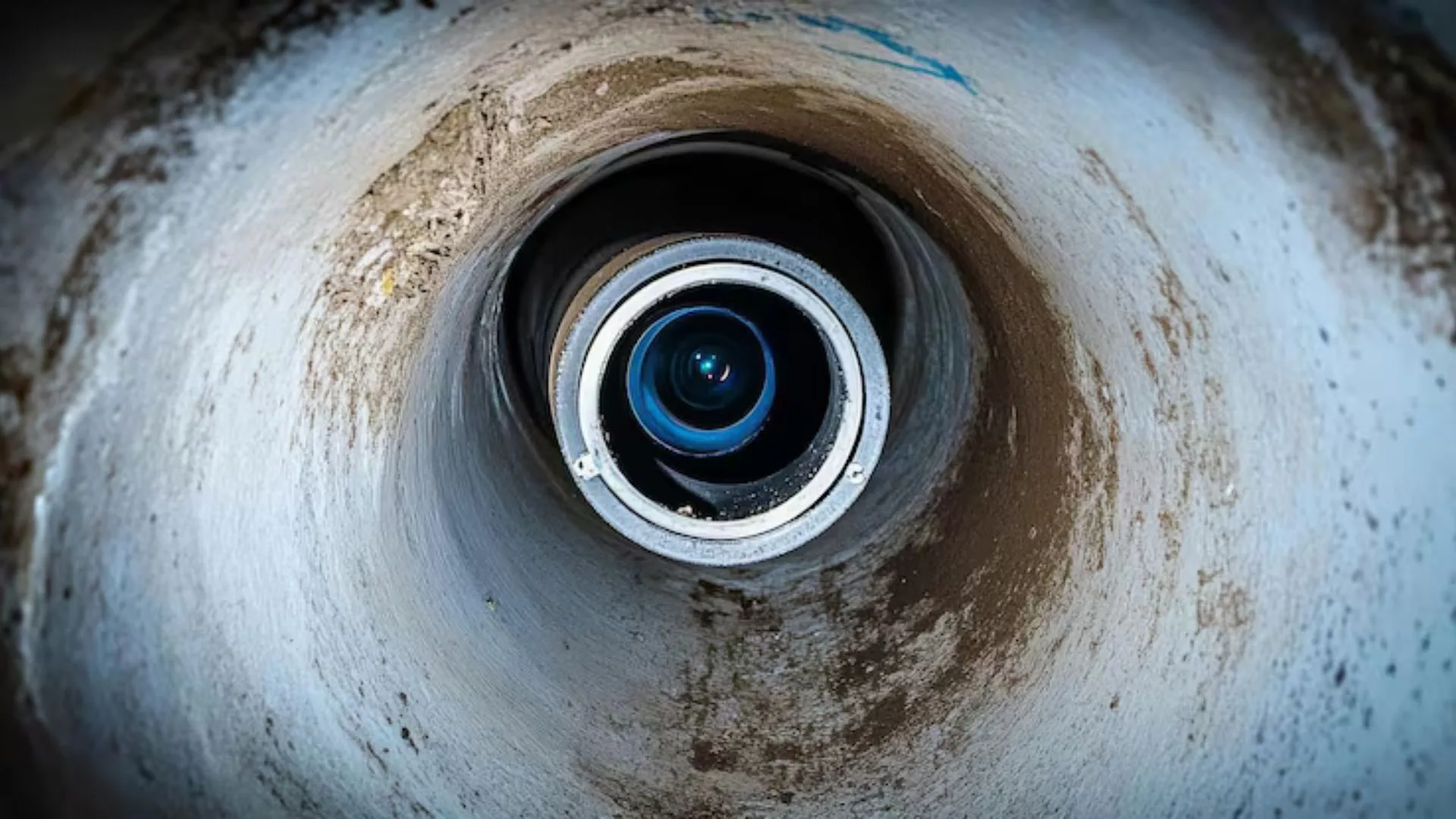
A camera inspection is the most direct way to confirm root intrusion and see exactly where it's occurring along the line. Rather than guessing based on symptoms, a camera shows the root mass's location, size, and how much it's actually restricting flow, information that determines whether a hydro jetting and root-cutting pass is sufficient or whether the affected section needs actual repair or replacement.
For a line where roots have caused repeated but not yet severe intrusion, hydro jetting combined with root cutting can clear the line effectively without digging. Depending on how the roots got in, a follow-up root barrier or a trenchless lining can help prevent the same entry point from being exploited again. For a line where roots have caused a joint to fully separate or the pipe to crack, jetting alone won't fix the underlying structural problem, and that section needs actual repair.
Prevention is worth mentioning even though it's not always fully within a homeowner's control. If you're planning new landscaping near a known sewer line path, choosing tree species with less aggressive root systems, or planting them further from the line, reduces future risk considerably compared to placing a fast-growing, water-seeking species directly over or near a sewer lateral. For established trees already near an existing line, a root barrier installed between the tree and the pipe can sometimes redirect root growth away from the line without requiring the tree's removal.
It's also worth knowing that root intrusion doesn't only affect the shared main sewer line. Individual branch lines running from a specific fixture can develop the same problem if they pass near tree roots. It's less common simply because branch lines are typically shorter and don't always run through areas with mature landscaping. If a single fixture, rather than the whole house, has a recurring drainage problem, that's worth mentioning when you call, since it changes where we'd expect to find the issue during inspection. Any lateral replacement is installed to California Plumbing Code (UPC-based) standards.
One thing we specifically avoid is chemical root-killing products marketed as a homeowner fix. These treatments can temporarily slow root growth inside a pipe but don't address the entry point itself, and repeated use of harsh chemical treatments can actually damage certain pipe materials over time, particularly older or already-compromised sections. A camera inspection and a proper jetting or repair approach addresses the actual problem correctly rather than masking it temporarily, which saves real money over the long run even if it costs slightly more upfront.
Timing also matters for scheduling this kind of work. Root growth tends to be more active during Folsom's wetter months, when moisture is more available near the surface. That means a line that's been jetted clear in early spring may show renewed intrusion by the following year if the entry point itself was never addressed. That's part of why we distinguish between clearing symptoms and fixing causes when we talk through a repair plan. A jetting pass alone treats the immediate blockage, while a root barrier, trenchless lining, or section replacement addresses why it keeps happening in the first place. The result lasts longer than an annual repeat visit to clear the same section again.
Signs of root intrusion in your sewer line
- Main line or a specific drain clogs repeatedly over several months
- Gurgling from a toilet or drain when a different fixture runs
- Water backing up into a tub or lower fixture when the toilet flushes
- Sewage odor in the yard near the sewer lateral or cleanout
- Home is older with mature trees nearby and original clay sewer pipe
Finding your cleanout and who to call in Folsom
The City of Folsom describes the outside cleanout as most often a four-inch, green circular lid, with the backflow prevention device nearby under a six-inch green lid. The City also advises against planting trees directly over a sewer line, because root growth in sewer lines causes problems.
For questions about your sewer line, the City's wastewater division can be reached at 916-461-6177 or [email protected]. It also recommends using only a licensed contractor for repairs and getting a second opinion before an expensive sewer repair.
We also serve nearby Granite Bay and Citrus Heights, so help is close if you are in one of those areas.
A local question
How do I find my sewer cleanout in Folsom?
The City of Folsom says the outside cleanout is most often a four-inch green circular lid, and a six-inch green lid next to it is the backflow prevention device. Lining up the City cleanout at the sidewalk with the cleanout beside the house can show where the line runs.