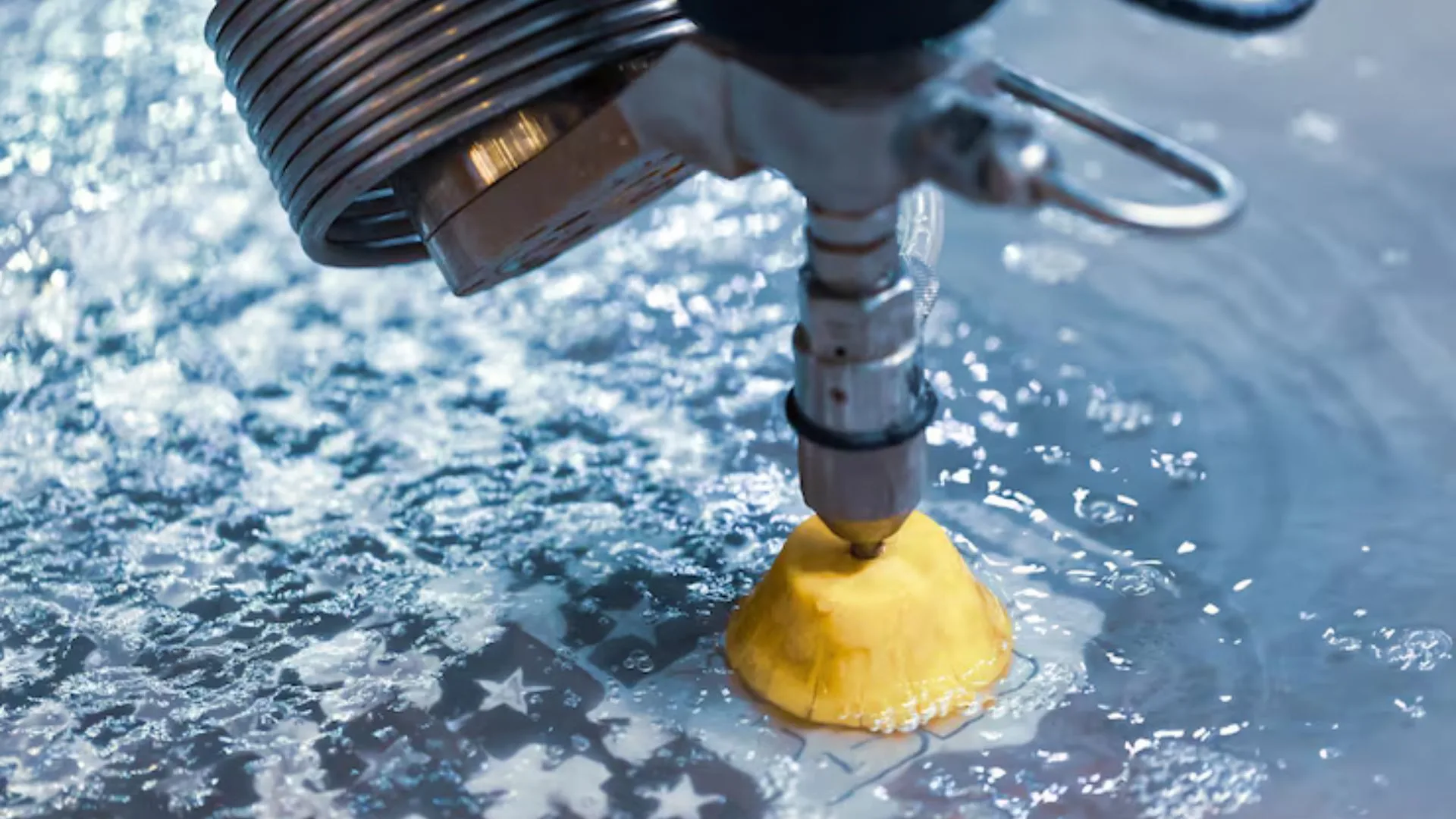
Hydro jetting uses a specialized nozzle and a high-pressure water stream, well beyond what a garden hose or pressure washer produces, to scour the full interior diameter of a drain or sewer line. Where a cable snake punches a channel through a clog and calls it done, a jetter's rotating nozzle sprays water forward and backward as it travels. It cuts through grease buildup, mineral scale, and root intrusion along the entire length of pipe it passes through, not just the spot where the blockage happened to be sitting.
This matters most for lines with a recurring pattern rather than a one-time clog. A kitchen line with years of grease buildup, a main sewer line with root intrusion at multiple joints, or a commercial kitchen's grease trap system that clogs on a predictable schedule are all better served by jetting than by repeated snaking. Snaking clears the immediate blockage while leaving the buildup along the rest of the pipe wall untouched, which is exactly why the same clog tends to come back.
We always inspect before jetting on any line with unknown condition. A camera inspection tells us whether the pipe itself is sound enough for jetting's pressure, since a pipe that's already cracked, severely corroded, or has separated joints can be damaged further by high pressure rather than cleaned by it. On sound pipe, jetting is safe and effective. On compromised pipe, we'll recommend repair first, our sewer line repair page covers what that looks like, rather than jetting a line that needs structural work instead.
Commercial kitchens and multi-unit properties in the Folsom area are a common candidate for scheduled jetting rather than reactive calls. A restaurant grease trap and drain line that's cleared every few months on a set schedule avoids the emergency backup that happens when buildup is left to accumulate until it fully blocks the line, usually at the worst possible time during service hours.
For residential main lines, jetting is typically the right call in a few situations. A home has had more than one clog in the same section within a year or two, a camera inspection shows significant buildup along the pipe wall, or root intrusion has been confirmed and needs clearing before any lining or repair work happens.
Jetting is also a chemical-free way to clear a line, which matters for homes on a septic system or anyone who'd rather not pour a caustic drain cleaner down their pipes repeatedly. Chemical cleaners can also mask a deeper problem temporarily while doing nothing for the underlying buildup, whereas a jetting pass actually removes it from the pipe wall rather than just dissolving a path through the middle of the clog. We run every jetting job with a trained operator controlling pressure at the nozzle, not a fixed setting applied blindly regardless of pipe material or condition, consistent with California Plumbing Code (UPC-based) drainage system requirements.
Hydro jetting in Folsom
Hydro jetting pays off most in two parts of Folsom. The restaurants and shops along Sutter Street and around Palladio generate grease that builds up on a predictable schedule. The older residential streets near Lake Natoma, with their mature trees, are the other place where roots keep returning. We run a camera first, and we schedule recurring jetting for businesses that need it.
Getting a hydro jetting quote that makes sense
Many callers phone to ask what hydro jetting costs before they book. That is a fair question, and it does not have a single answer. The price depends on the length and diameter of the line, how much access we have, and whether a camera shows roots, grease, or a buildup along the whole pipe.
We prefer to look before we promise a number, because jetting a line that really needs a repair wastes your money. Tell us the problem, the age of the home, and whether the clog keeps coming back, and we will tell you whether jetting is the right tool.
Jetting for restaurants, plazas, and repeat clogs
Jetting is often the right answer when a business has a main line that keeps backing up. Grease-heavy kitchens and shared lines in shopping plazas are common examples. A cable can punch through the middle of a blockage but leave the pipe walls coated, which is why the same drain clogs again.
Residential customers call for jetting after repeated snaking, or when a camera shows heavy buildup. We explain what the camera shows and whether the pipe is in good enough condition for high-pressure cleaning.
When hydro jetting is the right tool
- A main line has clogged more than once in the same section
- A camera inspection shows grease or scale buildup along the pipe wall
- Root intrusion has been confirmed at pipe joints
- A commercial kitchen line needs scheduled preventive clearing
- A cable snake has repeatedly failed to resolve the same clog
From call to finished job
You reach out
Call or message, tell us what's up.
We set a time
A real window, not a guess.
We explain the fix
Clear pricing before we start.
Job done
Tidy, checked, and explained.
Common questions
Is hydro jetting safe for all pipes?
It's safe for pipe in sound structural condition. We run a camera inspection first on any line with unknown condition, since already-damaged pipe can be harmed further by high pressure.
How is hydro jetting different from snaking?
Snaking punches a channel through a clog at one spot. Jetting scours the entire interior wall of the pipe as it travels, clearing buildup along the whole line rather than just the blockage point.
Do commercial kitchens need jetting on a schedule?
Many do, since grease trap and line buildup happens predictably with regular kitchen use. Scheduled jetting prevents the emergency backups that happen when buildup accumulates unchecked.
Will jetting damage older pipe?
It can if the pipe is already compromised, which is why we assess condition with a camera before jetting rather than assuming it's safe for every line.