Water damage restoration is a distinct service from the plumbing repair that stopped the water in the first place. Fixing a burst pipe or a failed water heater addresses the source. Restoration addresses everything the water touched on its way out, flooring, drywall, insulation, and framing that's now wet and at risk of warping, staining, or growing mold if it isn't dried properly and promptly.
The first 24 to 48 hours after a water event matter more than almost anything else in how the restoration unfolds. Materials that are dried within that window often recover fully. Materials left wet longer than that are far more likely to require full replacement rather than drying and repair, and mold growth becomes a realistic risk once porous materials stay damp for more than about two days in a warm environment.
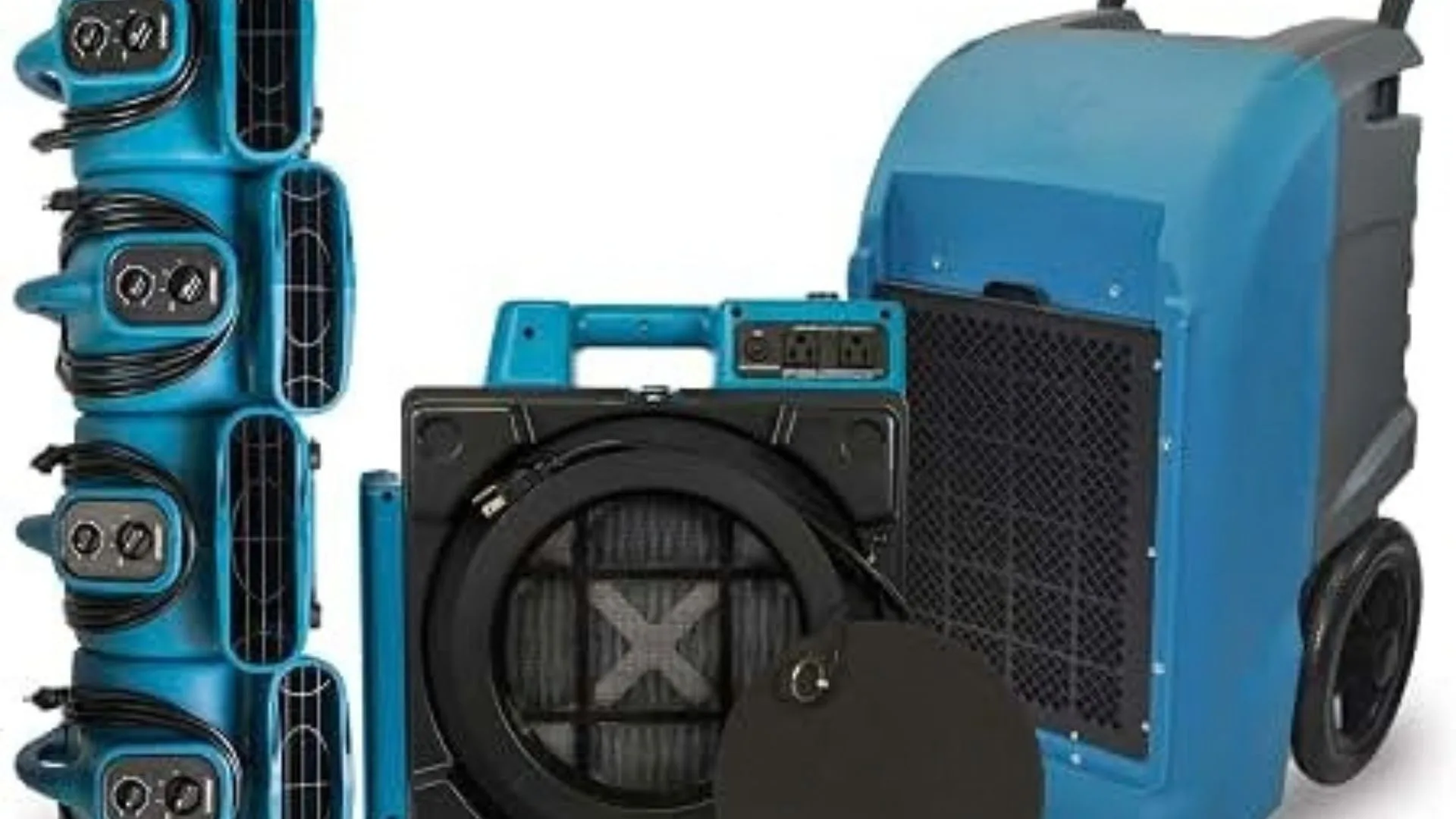
Our process starts with a moisture assessment using meters that measure moisture content inside walls and flooring, not just visible surface wetness, since water travels and wicks into materials well beyond where it's obviously visible. From there we set up industrial air movers and dehumidifiers sized to the actual affected area, and we track drying progress with follow-up moisture readings rather than guessing when a space is dry based on how it looks or feels.
Once everything is confirmed dry, the repair phase addresses what actually needs replacing versus what survived: drywall that stayed dry inside the wall cavity even though the surface got wet can sometimes be saved, while flooring that absorbed standing water for hours usually can't be. We document the whole process with photos and moisture readings at each stage, which matters directly for an insurance claim, adjusters want to see the actual drying data, not just a description of what was done.
If the water event also caused a plumbing issue that hasn't been addressed yet, a burst pipe, a failed water heater, or an ongoing slab leak, that repair is a separate scope handled by our standard plumbing team. We'll coordinate between the two so the drying and repair work isn't undone by water still actively entering the structure.
Personal belongings and contents get handled separately from structural drying, since furniture, documents, and electronics need different care than drywall and flooring. Some items can be cleaned and dried on-site, others need to be moved to a controlled environment away from the affected area while the structural work happens. Some, particularly anything that was submerged for an extended period, may not be salvageable regardless of how quickly restoration begins. We assess belongings alongside the structure and give you an honest, itemized read on which category each specific piece actually falls into, rather than a blanket verdict for everything in the affected room.
Emergency Water Damage Response
The first day after a water event decides how much of your home can be saved. Wet drywall, insulation, and flooring begin to deteriorate quickly, and trapped moisture invites mold. If you have standing water or soaked materials, call our emergency line now.
We start with the water source and a moisture assessment, then extract standing water and set up drying equipment. If the source is a plumbing failure that has not been repaired, we can connect you with our plumbers so the leak does not start again after the drying is finished.
In the first hour
- Stop the water if it is still running, using the main shutoff valve.
- Turn off power to wet areas at the breaker and avoid standing water near outlets.
- Lift small furniture and move rugs, electronics, and papers to a dry room.
- Take photos and video of the damage before anything is moved or removed, for your insurance claim.
Restoration around Folsom and the lakes
We respond to water damage across Folsom, from the older homes near Sutter Street and Lake Natoma to the neighborhoods closest to Folsom Lake, including Lake Natoma Shores and American River Canyon. Homes near the water can see groundwater after heavy storms as well as plumbing failures, and the cleanup differs for each. Tell us your neighborhood and what happened, and we will start the right process.
Ceiling stains, wet walls, and storm water
Callers describe water staining on a ceiling, a hole where drywall has given way, or water coming in during a storm. These are different problems that look similar. A ceiling stain from a bathroom above is a plumbing leak, while water after a storm may be a drainage problem.
We assess where the water came from before deciding on drying equipment and repairs, and we tell you honestly if the source is not a plumbing problem.
What to do in the first hours after water damage
- Stop the water source if it's safe to do so, or shut off the main valve
- Move furniture, rugs, and valuables away from standing water
- Photograph the damage before any cleanup begins, for insurance
- Don't wait to see if it dries on its own, call within the first day
- Avoid running a household dehumidifier alone, it's rarely enough for real structural drying
From call to finished job
You reach out
Call or message, tell us what's up.
We set a time
A real window, not a guess.
We explain the fix
Clear pricing before we start.
Job done
Tidy, checked, and explained.
Common questions
How fast should I call after water damage?
As soon as possible. Our emergency line is open 24/7. Materials that are dried quickly are more likely to be saved, and a fast response limits mold risk.
How is restoration different from a plumbing repair?
The plumbing repair fixes what caused the water (a burst pipe, a failed water heater). Restoration is the separate work of drying the structure, repairing damaged materials, and preventing mold. We handle both but they're distinct scopes.
How quickly do you need to respond to water damage?
As fast as possible, ideally within the first 24 to 48 hours. Materials dried within that window often recover fully, but after that mold risk and material replacement both increase significantly.
Will insurance cover water damage restoration?
Often, depending on the cause and your policy. We document moisture readings and repair steps throughout the process specifically to support your claim.
Do you handle mold if it's already started?
We address moisture and drying to prevent mold from developing further, and can coordinate with a mold remediation specialist if significant growth is already present.