
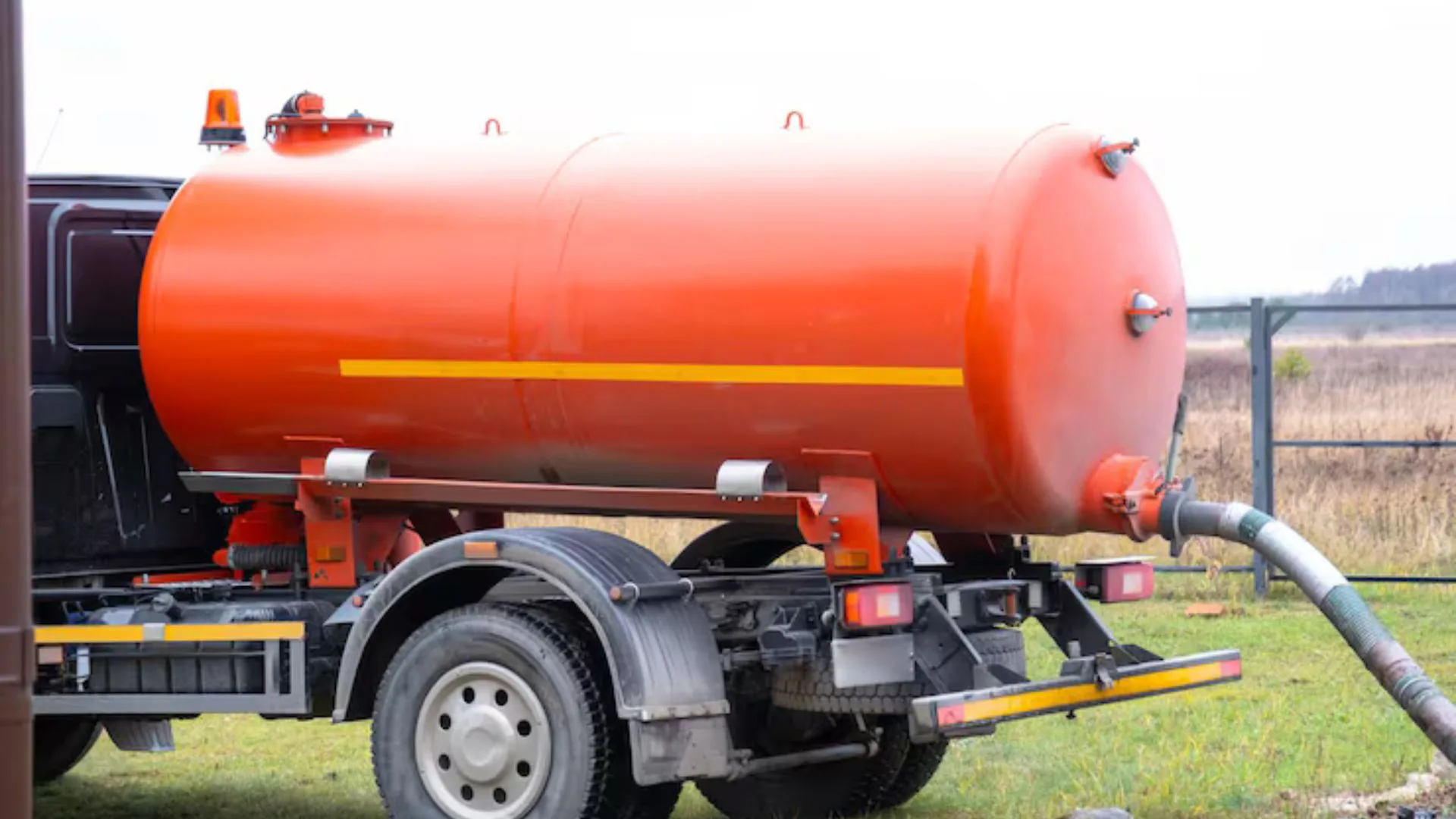
Septic systems are less common inside Folsom's more established, sewer-connected neighborhoods, but properties on the city's outer edges and in the surrounding unincorporated parts of Sacramento County often still rely on one, particularly older or larger parcels that predate the city's later sewer expansion. If your home has a septic system, regular pumping isn't optional maintenance, it's the single most important thing standing between normal operation and a very expensive drain field failure.
The general guideline is pumping every 3 to 5 years for an average household. The right interval depends on tank size relative to household size and actual water usage, a large family running a smaller tank harder will need more frequent service than the reverse. If you don't know when your tank was last pumped, and you're not experiencing any obvious symptoms, that's still worth scheduling an inspection rather than waiting for a problem to announce itself.
Warning signs that pumping is overdue tend to show up gradually before they become an emergency. Watch for drains running slower than they used to, a sewage odor near the tank lid or in the yard, and gurgling sounds when nothing else is running. Unusually lush, bright green grass over the drain field is another sign, because it can mean leaking effluent. Any one of these on its own is worth a call, and more than one together usually means the tank is at or past capacity.
Pumping itself is a straightforward service. We locate the tank access points, pump out the accumulated solids and scum layer, and inspect the tank's condition and baffles while we're in there, catching a cracked baffle or early structural wear before it becomes a bigger repair. We'll also flag if the drain field itself shows signs of failure, since a saturated or failing drain field is a different and more involved problem than the tank simply needing to be pumped.
Newer construction closer to the American River corridor is more likely to be fully sewer-connected rather than on septic. If you're not sure which system your home has, that's worth confirming, since sewer-connected homes don't need this service at all, and mistaking one for the other wastes a service call in either direction.
Between pumpings, what goes down the drains matters more for a septic system than a sewer-connected home. Grease and cooking oil, disposable wipes even when labeled flushable, coffee grounds, and excess household chemicals all shorten the interval between pumpings by disrupting the bacterial balance that breaks down solids inside the tank or by adding material that never actually breaks down at all. A garbage disposal used heavily on a septic system also adds solid load faster than the tank was likely sized to handle, worth keeping in mind if your kitchen habits have changed since the system was installed.
Septic Backups That Cannot Wait
A septic tank that is overdue for pumping can back up into the house with little warning. Slow drains in every bathroom, gurgling, a sewage smell, or wet ground over the drain field are all signs the system needs attention now.
We take backup calls 24/7. A technician will pump the tank, check the inlet and outlet baffles, and tell you whether the problem is simply a full tank or something in the lines or the drain field that needs a closer look.
If you suspect a septic backup
- Cut back on water use right away, including laundry and long showers.
- Avoid walking or driving over the drain field if the ground is wet or soft.
- Do not add chemical treatments in the hope they will fix a full tank.
- Tell us the last time the tank was pumped, if you know.
Septic service around Folsom
Most Folsom neighborhoods are on public sewer, so septic service here is a niche. Septic systems are more likely on some larger-lot properties near Folsom Lake and in the foothill communities east of town. If you are not sure whether your property is on septic or sewer, call before booking, since sewer-connected homes do not need pumping. We confirm which system you have first.
What septic callers usually ask
Most septic calls come down to two questions. How often should the tank be pumped, and is a backup something the homeowner can wait on. Sacramento County Environmental Management says a septic tank should be pumped at least once every three to five years, and more often if many people live in the house.
The county also says pumping a tank or de-rooting lines does not require a permit, while most repair work on a septic system does. If you are not sure which side of that line your work falls on, call us and we will talk it through.
Signs your septic tank needs pumping
- Drains running slower throughout the house, not just one fixture
- Sewage odor near the tank lid or in the yard
- Unusually lush, bright green grass over the drain field
- Gurgling sounds from drains with nothing else running
- It's been more than 3 to 5 years since the last pumping
From call to finished job
You reach out
Call or message, tell us what's up.
We set a time
A real window, not a guess.
We explain the fix
Clear pricing before we start.
Job done
Tidy, checked, and explained.
Common questions
Do you handle emergency septic backups?
Yes. If sewage is backing up into your home or your system is overflowing, call our 24/7 line. We will ask when the tank was last pumped and where the symptoms started.
How often should a septic tank be pumped?
Generally every 3 to 5 years for an average household, though it depends on tank size relative to household size and water usage. We can assess your specific situation.
How do I know if my home is on septic or connected to sewer?
Older or larger parcels on Folsom's outer edges are more likely to be on septic, while newer sewer-connected construction is common closer to the city center. We can help confirm which system your property has.
What happens if I wait too long to pump?
Solids can overflow into the drain field, which can cause field failure, a repair that's far more expensive than routine pumping and sometimes requires replacing the field entirely.
Do you inspect the tank while pumping?
Yes, we check the baffles and overall tank condition during every pumping visit, catching early structural issues before they become bigger repairs.
How often should my septic tank be pumped?
Sacramento County Environmental Management says at least once every three to five years, and sooner if a large household is using the system. Rely on your last pump date and the number of people at home.